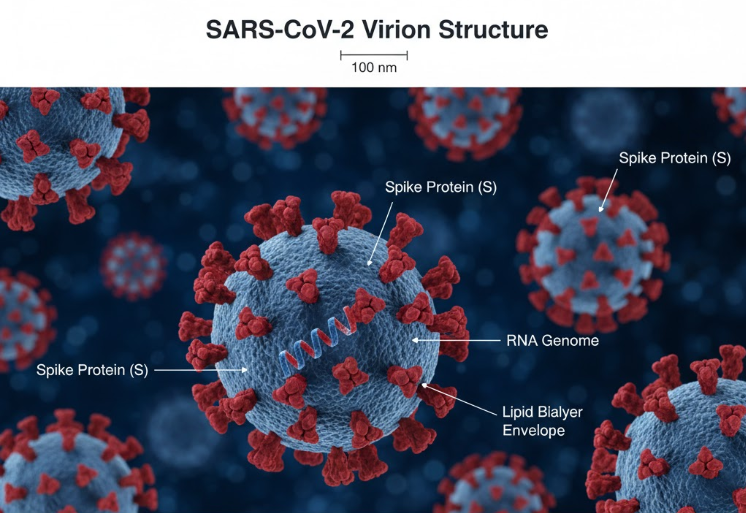
The COVID-19 pandemic reshaped the world in ways no one could have imagined. From its mysterious beginnings in late 2019 to the global vaccine rollout by 2023, here’s a chronological look at the major events that defined one of the most significant health crises in modern history.
2019: The Outbreak Begins
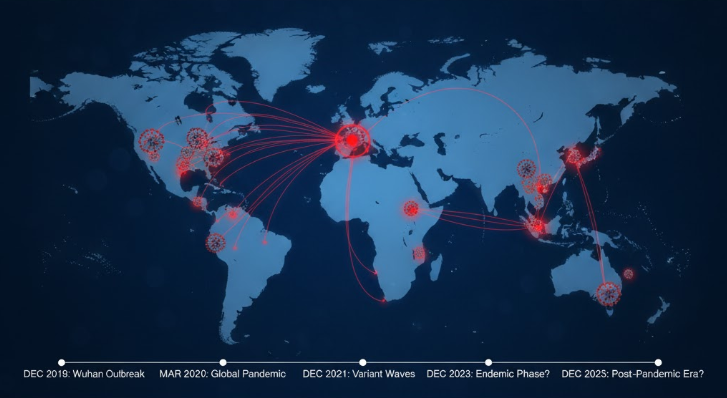
- December 2019:
In Wuhan, China, doctors began reporting cases of a pneumonia-like illness caused by a new coronavirus — later named SARS-CoV-2. - The disease spread rapidly within the city, leading to growing international concern.
- The World Health Organization (WHO) was officially informed of the outbreak on December 31, 2019.
Key Moment:
The first spark of what would become a global pandemic.
2020: The Pandemic Spreads Worldwide

- January 2020: WHO declared the outbreak a Public Health Emergency of International Concern.
- March 2020: COVID-19 was officially declared a pandemic as the virus spread across continents.
- Nations enforced lockdowns, travel bans, and quarantine measures to slow transmission.
- Global supply chains, schools, and economies were disrupted.
- Healthcare workers faced severe shortages of PPE and ventilators.
Major Impacts:
- Global stock markets crashed.
- Millions began working and studying from home.
- Social distancing and mask mandates became the new normal.
2021: The Vaccine Era Begins
- The world witnessed the start of mass vaccination campaigns.
- Vaccines like Pfizer-BioNTech, Moderna, AstraZeneca, and Covishield were rolled out worldwide.
- Many nations saw a decline in severe cases and deaths.
- However, vaccine inequality emerged — wealthy nations secured more doses than developing countries.
- The Delta variant led to new waves of infections.
Turning Point:
Vaccination offered hope, but the fight was far from over.
2022: Variants and Recovery
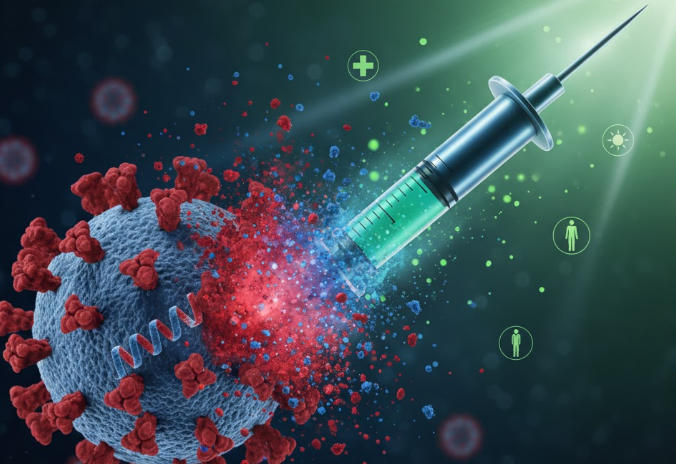
- The Omicron variant, discovered in late 2021, became the dominant strain due to its high transmissibility.
- Despite rapid spread, hospitalization rates were lower compared to Delta.
- Governments started lifting restrictions, reopening borders, and reviving economies.
- Many countries began treating COVID-19 as an endemic disease rather than an emergency.
Global Outlook:
A cautious return to normalcy, with continued vaccination and booster campaigns.
2023: The Path Toward Stability
- WHO announced that COVID-19 was no longer a global public health emergency.
- Booster doses and updated vaccines targeted new variants.
- Countries focused on long COVID research, economic recovery, and strengthening healthcare systems.
- Global collaboration continued on pandemic preparedness and vaccine innovation.
Legacy of COVID-19:
A world more aware of public health, digital work culture, and global interdependence.
Conclusion
From its silent emergence in Wuhan to the global mobilization for vaccines, the COVID-19 pandemic defined an era of fear, resilience, and scientific achievement. Between 2019 and 2023, humanity learned that global cooperation and rapid innovation are our greatest defenses against unseen threats.