
When COVID-19 began spreading rapidly across the globe, governments and health agencies faced the unprecedented challenge of containing a highly infectious disease. The world’s response centered on four crucial pillars — testing, tracing, mask mandates, and quarantine management — each playing a vital role in slowing the virus’s spread and saving millions of lives.
Testing Methods: The First Line of Defense
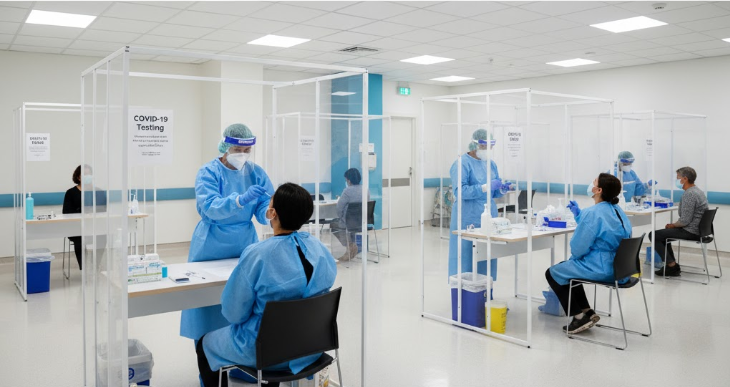
Accurate and widespread testing became the backbone of global pandemic control. Early detection allowed authorities to isolate infected individuals and track viral transmission patterns. Over time, several testing methods evolved:
1. RT-PCR Tests
- Reverse Transcription Polymerase Chain Reaction (RT-PCR) tests were considered the gold standard.
- These tests detected viral RNA with high accuracy but required laboratory infrastructure and took several hours to process.
- Used extensively across countries like South Korea, Germany, and the U.S. in the early months of the pandemic.
2. Rapid Antigen Tests
- These became popular for mass screening due to quick results (within 15–30 minutes).
- While less sensitive than PCR, they were ideal for detecting infectious individuals in large populations, such as airports or schools.
3. Antibody and Serology Tests
- Conducted to check past infection or immunity levels.
- Played a major role in understanding how widely the virus had spread within communities.
Global Insight:
Nations that ramped up early testing capacity, such as South Korea, Taiwan, and New Zealand, managed to flatten their curves faster and prevent overwhelming hospital systems.
Contact Tracing Systems: Tracking the Invisible

Once cases were detected, contact tracing became essential to prevent further spread.
1. Manual Tracing
- Traditional methods involved interviewing infected individuals to identify close contacts.
- Many countries initially relied on health workers to conduct phone or field surveys.
2. Digital Tracing Apps
- Technology quickly enhanced tracing efficiency.
- India’s Aarogya Setu, Singapore’s TraceTogether, and the UK’s NHS COVID-19 app used Bluetooth or GPS to alert users of possible exposure.
- However, privacy concerns arose, leading to stricter data protection measures.
3. Community-Based Models
- Some regions adopted localized tracing through community health workers and volunteers, ensuring coverage even in rural areas.
Global Outcome:
While tracing helped identify clusters early, success depended heavily on public cooperation, data transparency, and speed of response.
Mask Policies: A Global Shield
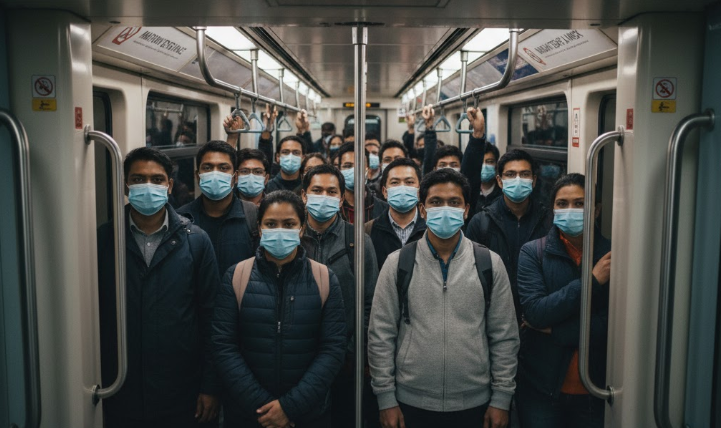
Masks emerged as one of the most visible and effective tools against COVID-19. The shift from initial hesitation to universal acceptance marked a turning point in the global response.
1. Early Resistance
- Initially, WHO and CDC offered limited guidance on mask usage for the general public due to supply shortages.
- As research confirmed airborne transmission, mask mandates quickly spread worldwide.
2. Policy Evolution
- East Asian countries such as Japan and South Korea adopted mask-wearing early due to existing cultural practices.
- European and North American nations implemented mandates later, often facing political and social resistance.
3. Mask Types and Public Awareness
- Cloth masks were first encouraged, later replaced by surgical and N95 masks for higher protection.
- Campaigns emphasized proper mask use — covering both mouth and nose, and regular washing or replacement.
Public Health Impact:
Consistent mask use helped reduce transmission, especially in crowded and indoor environments, and became a global symbol of solidarity.
Quarantine and Isolation Management: Containing the Spread
Managing quarantines and isolations was a major test of governance, logistics, and citizen compliance.
1. Mandatory Quarantine Measures
- Many nations enforced 14-day quarantines for international travelers or close contacts.
- Facilities such as hotels, government centers, or even cruise ships were converted into isolation zones.
2. Home Isolation
- As case numbers grew, home isolation became the practical choice for mild or asymptomatic patients.
- Governments issued detailed guidelines for family distancing, hygiene, and symptom monitoring.
3. Institutional Quarantine Success Stories
- China’s centralized quarantine centers and New Zealand’s managed isolation hotels became global models of containment success.
- Some countries used digital monitoring tools like electronic wristbands to ensure compliance.
4. Challenges Faced
- Quarantine fatigue, mental health stress, and loss of income led to widespread non-compliance in certain regions.
- Governments responded by offering mental health helplines, food support, and financial aid.
Conclusion: A Global Learning Experience
The public health response to COVID-19 highlighted how preparedness, transparency, and cooperation can make the difference between chaos and control. Testing, tracing, masks, and quarantine — though simple in concept — proved to be humanity’s most powerful defenses in the face of uncertainty.
The pandemic exposed weaknesses in healthcare systems but also inspired innovation, resilience, and a stronger global understanding of collective responsibility. The lessons learned from COVID-19 will continue to guide future responses to any emerging health crisis.