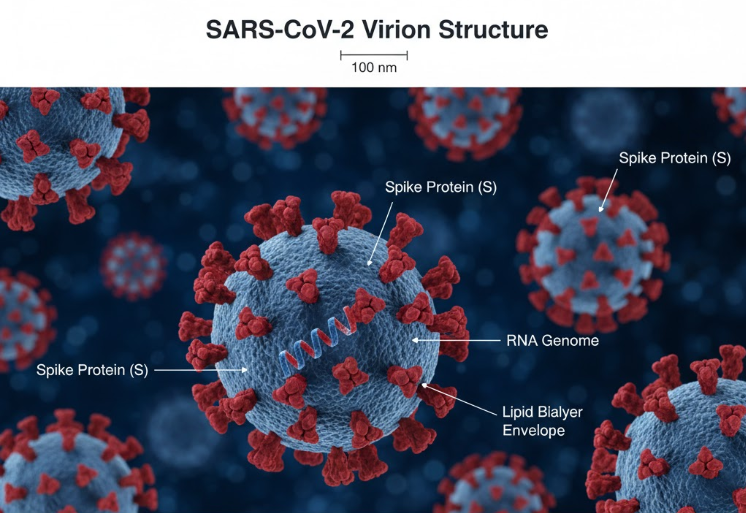
When the world shut its doors in early 2020, humanity stepped into a moment of silence it had never known before. Empty streets, closed schools, and the echo of uncertainty became the new rhythm of life. The COVID-19 lockdowns — first meant to last weeks — stretched into months, reshaping how we lived, worked, and connected.
🏠 The World Paused
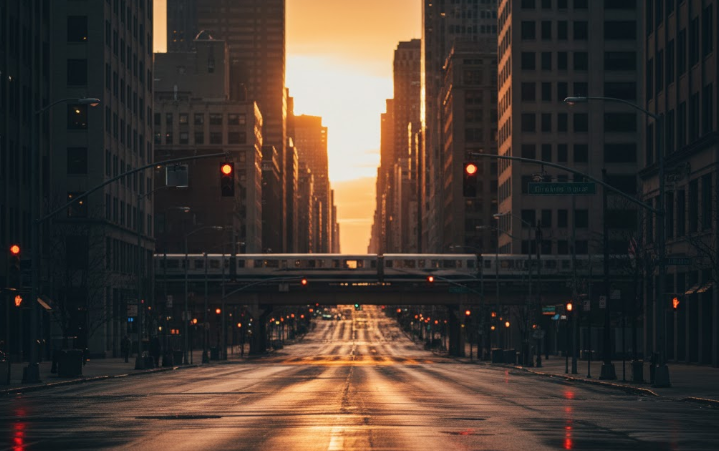
It began with a strange stillness. Flights were grounded, factories silent, and cities that once hummed with life stood deserted. From New Delhi’s Connaught Place to New York’s Times Square, the quiet was eerie yet unifying — the entire world facing the same invisible threat.
In India, the nationwide lockdown announced on March 24, 2020, halted the movement of over a billion people almost overnight. Trains stopped, schools closed, and millions of migrant workers began long journeys home on foot — a heartbreaking image that became one of the pandemic’s defining memories.
Across the world, Italy sang from balconies, Spain applauded healthcare workers every evening, and Japan introduced “silent eating” to reduce transmission in restaurants. Humanity adapted in real time, searching for hope amid fear.
💼 Economy on Pause, Innovation on Rise
The economic shock was immediate.
Shops shuttered, global markets tumbled, and small businesses struggled to survive. In India, informal workers — who make up nearly 80% of the labor force — faced job losses, with daily wage earners among the hardest hit.
Globally, unemployment soared: millions in the U.S. filed for benefits, European nations launched relief packages, and countries like Germany and Canada implemented large-scale stimulus programs to keep economies afloat.
But even as industries collapsed, new opportunities emerged.
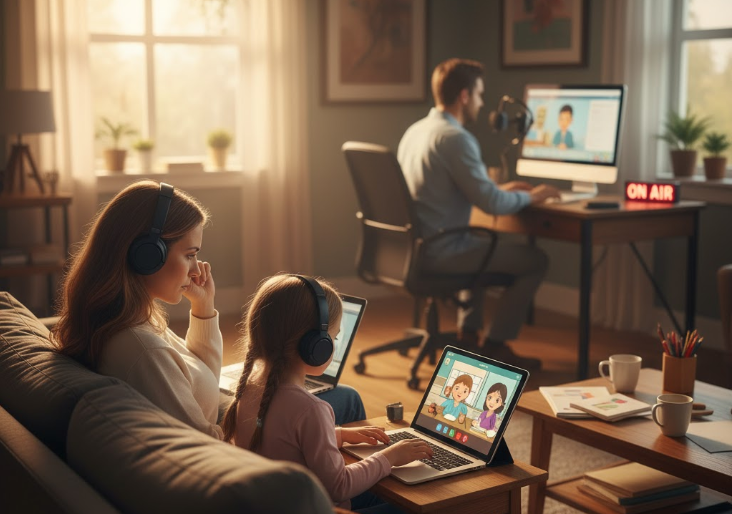
- Work from home became the norm, powered by Zoom meetings and kitchen-table offices.
- The digital economy boomed — e-commerce, online education, and telemedicine saw record growth.
- Many Indian startups pivoted toward essential services like grocery delivery and health tech.
The lockdown, though devastating, accelerated digital transformation by years.
💭 Mental Health: The Silent Pandemic
Beneath the statistics lay another crisis — loneliness, anxiety, and loss.
For the first time, millions were confined to their homes, cut off from friends, family, and outdoor life. Social isolation led to a rise in depression, domestic stress, and sleep disorders across all age groups.
In India, calls to mental health helplines surged by over 40%, as people struggled with uncertainty and grief. Globally, psychologists termed this the “second pandemic” — one of mental exhaustion.
Children missed the laughter of classrooms, while the elderly endured months without a visitor. Yet, communities found creative ways to cope:
- Online yoga sessions and virtual therapy became common.
- Artists performed free concerts from their living rooms.
- Neighbors checked in on each other through WhatsApp groups.
Humanity learned that emotional connection doesn’t always require physical presence.
🌍 Society Transformed
Lockdown life redefined what “normal” meant. Families who rarely dined together shared meals again. People learned to cook, paint, and garden. The air grew cleaner; the Yamuna River in Delhi briefly ran clearer than in decades, and the Himalayas were visible from cities hundreds of kilometers away.
However, the divide between rich and poor widened. While some worked safely from home, others risked their lives as essential workers — delivering food, cleaning hospitals, and keeping cities alive. The pandemic reminded the world that privilege could mean safety.
Cultural and religious gatherings moved online — Eid prayers on Zoom, virtual weddings in Mumbai, and Easter services streamed worldwide became symbols of adaptability.
🌈 A New Beginning
When lockdowns began to ease, the world emerged changed. Masks became part of daily attire, and the value of health, connection, and time took on new meaning. The phrase “stay home, stay safe” became more than a slogan — it was a collective experience of vulnerability and resilience.
India, like the rest of the world, faced deep scars but also new strength. The crisis fostered innovation, empathy, and awareness about public health like never before.
Life in lockdown was not just about survival — it was a mirror reflecting what truly mattered.
Conclusion
The COVID-19 lockdown was a pause button on modern civilization. It revealed the fragility of our systems, the strength of our spirit, and the deep need for human connection. From India’s silent streets to Italy’s balcony songs, the world learned one enduring lesson: even in isolation, humanity is never truly alone.