
When the COVID-19 pandemic swept across the globe in early 2020, classrooms fell silent. Desks gathered dust, playgrounds stood empty, and the hum of learning moved from chalkboards to computer screens. The world’s education system faced its biggest disruption in modern history — forcing schools, universities, and teachers to reinvent learning overnight.
This era of remote education revealed both the power of technology and the painful inequalities that still divide students across nations.
The Sudden Shift to Online Learning

In March 2020, as lockdowns spread from China to Europe, India, and beyond, governments shut educational institutions to contain the virus. What was meant to be a temporary closure stretched into months — and for some regions, years.
To keep learning alive, schools and universities turned to digital platforms like Zoom, Google Classroom, and Microsoft Teams. Teachers who had spent decades in physical classrooms suddenly became digital instructors. Lessons transformed into video calls, assignments became Google Docs, and exams shifted to online assessments.
While urban students adapted with relative ease, this transition was anything but smooth. Many teachers lacked training, and institutions scrambled to develop online curricula. Yet amid the chaos, education found new ways to survive — virtual labs, online debates, and even digital graduation ceremonies became the new normal.
The Rise of EdTech and Innovation
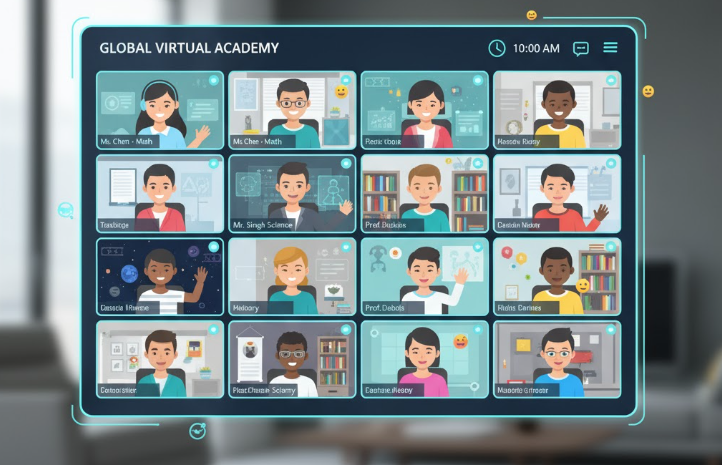
The crisis gave rise to an education technology (EdTech) boom. Platforms like Byju’s, Coursera, and Khan Academy saw exponential growth. UNESCO reported that over 1.6 billion learners were affected by school closures globally — creating a massive demand for digital tools.
Educators began experimenting with:
- Recorded lectures for flexible access.
- Interactive quizzes and gamified learning to maintain engagement.
- Virtual classrooms and breakout rooms for discussion and collaboration.
Universities, too, reimagined their roles. Institutions like Harvard and Oxford moved prestigious programs online, while Indian universities used platforms like SWAYAM and NPTEL to reach remote students. Education became more accessible yet impersonal — bridging some gaps but widening others.
The Digital Divide: A Harsh Reality
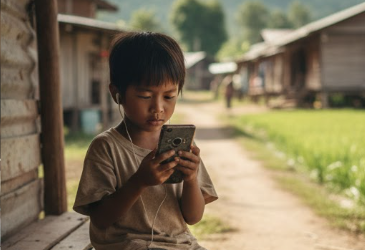
While technology saved learning for millions, it also exposed deep social inequalities. The digital divide — the gap between those with and without access to digital tools — became painfully visible.
In India, rural students struggled with:
- Lack of smartphones or laptops
- Poor internet connectivity
- Limited electricity supply
A 2021 UNICEF study found that over 60% of students in low-income countries were unable to participate in online classes effectively. Many parents shared phones among multiple children or relied on printed worksheets distributed by teachers. In remote tribal and hilly regions, education virtually stopped.
The digital divide wasn’t just about devices — it was about opportunity. While privileged students continued progressing, millions were left behind, risking permanent learning losses.
Impact on Students and Teachers
The emotional cost of lockdown learning was immense.
Students faced:
- Isolation and screen fatigue
- Lack of peer interaction
- Anxiety over uncertain exams and futures
Teachers, too, battled burnout. Many had to master new technologies overnight while balancing household responsibilities and caring for their own families. Despite the exhaustion, countless educators went beyond duty — recording lessons late at night, visiting students’ homes, or setting up WhatsApp groups to ensure no child was forgotten.
A Global Wake-Up Call
The lockdown era taught the world crucial lessons about resilience and adaptability in education. It showed that:
- Digital literacy is essential — for both teachers and students.
- Hybrid learning models combining online and offline methods can make education more flexible.
- Government support for rural connectivity and affordable devices is vital for equal access.
Countries like Finland, South Korea, and Singapore used their strong digital infrastructures to minimize disruption, while others have since prioritized internet expansion and EdTech training as part of recovery strategies.
The Future of Learning
As schools reopen, education stands at a crossroads. The challenge now is not to return to “normal,” but to build something better — a system that’s inclusive, resilient, and future-ready.
The lockdowns reminded humanity that learning is not confined to classrooms; it thrives wherever curiosity exists — in homes, on screens, and even through adversity. The pandemic may have distanced people physically, but it also united the world in reimagining what education can be.
Conclusion
The “Education in the Lockdown Era” was more than an emergency response; it was a global experiment in innovation and endurance. While technology bridged millions of gaps, it also revealed how much more needs to be done to make education truly universal.
As one teacher in India said during the lockdown:
“We may have lost our classrooms, but we never lost our students.”
That spirit — of hope, adaptation, and connection — continues to define the new age of learning.